


Faculty
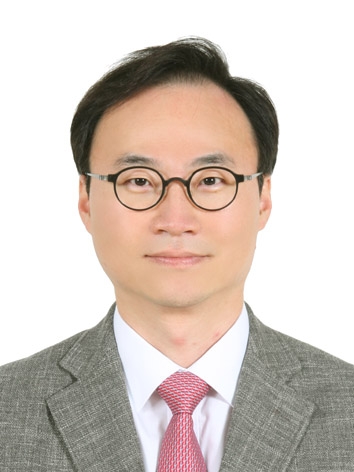
Chun, Jae Uk 전재욱
- Management
- Professor
- Organizational Behavior, Leadership, & Research Methods
- Room 413 in KUBS Main Building
- TEL : 02-3290-2838
- Email : juchun@korea.ac.kr
- Fax : +82-2-922-7220
- Homepage :
- Office Hour :
Education
-
Ph.D. in Organizational Behavior/Leadership, State University of New York at Binghamton
-
M.B.A. in Management, Korea University
-
B.S. in Business Administration, Korea University
Career
Academic Positions
- 2018.9 ~ : Professor of Managment, Korea University Business School
- 2013.9 ~ 2018.8: Associate Professor of Management, Korea University Business School
-
2009.3 ~ 2013.8: Assistant Professor of Management, Korea University Business School
-
2006.7 ~ 2008.12: Assistant Professor of Management and Organization, The Pennsylvania State University, School of Graduate Professional Studies
-
2004.7 ~ 2006.5: Adjunct Lecturer, State University of New York at Binghamton, School of Management.
-
2001.9 ~ 2004.6: Research and Teaching Assistant, State University of New York at Binghamton, School of Management
Professional Services
-
2011.5 ~ Present: Korean Academy Of Management, Executive Director
-
2012.9 ~ 2020.12: Journal of Leadership & Organizational Studies, Editorial board
Honors & Awards
- The Best Overall Conference Paper of the 2016 Meeting of Southern Management Association
- The Best Paper Proceedings of the 2014 Academy of Management Meeting
-
Research Grant, the National Research Foundation of Korea (2011, 2012, 2013, 2014, 2015)
-
IBRE Distinguished Research Award, Korea University Business School (2012, 2013, 2014, 2015, 2016, 2017, 2018)
-
Carolyn Dexter Award for Best International Paper Finalist, Academy of Management (2011)
-
Excellence in Teaching Award, Korea University (Spring, 2010; Fall, 2010)
-
Outstanding Reviewer Award in OB Division, Academy of Management (2007)
-
Faculty Research Grant, The Pennsylvania State University (2006, 2007, 2008)
-
Dissertation Year Fellowship, State University of New York at Binghamton (2005)
Publications
- Che, H. M., Chun, J. U., & Moon, H. K. (2022). A moderated double-edged pathway model linking pariticipation in corporate citizenship activities to organizational citizenship behavior: Moderated multiple parallel mediation analysis. Korean Journal of Management, 30(1), 45-76. [in Korean]
- Ete, Z., Sosik, J. J., Cheong, M., Chun, J. U., Zhu, W., Arenas, F., & Scherer, J. (2020). Leader honesty/humility and subordinate organizational citizenship behavior: A case of too-much-of-a-good-thing? Journal of Managerial Psychology, 35(5), 391-404.
- Sosik, J. J., Chun, J. U., Ete, Z., Arenas, F. J., & Scherer, J. (2019). Self-control puts character into action: Examining how leader character strengths and ethical leadership relate to leader outcomes. Journal of Business Ethics, 160(3), 765-781.
- Kim, J. K., LePine, J. A., Chun, J. U. (2018). Stuck between a rock and a hard place: Contrasting upward and downward effects of leaders' ingratiation. Personnel Psychology, 71, 495-518.
- Chun, J. U., Lee, D., Sosik, J. J. (2018). Leader negative feedback-seeking and leader effectiveness in leader-subordinate relationships: The paradoxical role of subordinate expertise. The Leadership Quarterly. 29, 501-512.
- Sosik, J. J., Chun, J. U., Ete, Z., Arenas, F. J., & Scherer, J. (2018). Examining how leader character strengths and ethical leadership relate to leader outcomes. The Best Paper Proceedings of the 2018 Academy of Management Meeting.
- Sosik, J. J., Chun, J. U., & Koul, R. (2017). Relationships between psychological wellbeing of Thai college students, goal orientations, and gender. Psychology in the Schools, 54, 703-717.
- Lee, D., Choi, Y., Youn, S., & Chun, J. U. (2017). Ethical leadership and employee moral voice: The mediating role of moral efficacy and the moderating role of leader-follower value congruence. Jouranl of Business Ethics, 141, 47-57.
- Chun, J. U., Sosik, J. J., & Lee, D. (2016). Leader feedback-seeking from subordinates and evaluation of leader effectiveness in leader-subordinate relationships: Subordinate expertise does matter! The Best Overall Conference Paper of the 2016 Meeting of Southern Management Association.
- Chun, J. U., Cho, K., & Sosik, J. J. (2016). A multilevel study of group-focused and individual-focused transformational leadership, social exchange realtionships, and performance in teams. Journal of Organizational Behavior, 37, 374-396.
-
Choi, B. K., Moon, H. K., & Chun, J. U. (2015). Impression management motive and voice: Moderating effects of self-monitoring, self-efficacy, and voice instrumentality. Asian Journal of Social Psychology, 18, 225-235
-
Chun, J. U., Choi, B. K., & Moon, H. K. (2014). Subordinates’ Feedback-Seeking Behavior in Supervisory Relationships: A Moderated Mediation Model of Supervisor, Subordinate, and Dyadic Characteristics. Journal of Management & Organization, 20, 463-484.
-
Chun, J. U., Cho, K., & Sosik, J. J. (2014). Collective and interpersonal transformational leadership, social exchanges, and performance in teams. The Best Paper Proceedings of the 2014 Academy of Management Meeting.
-
Kim, T. H., Lee, J., Chun, J. U., & Benbasat, I. (2014). Understanding the effect of knowledge management strategies on knowledge management performance: A contingency perspective. Information & Management, 51 (4), 398-416.
-
Sosik, J. J., Chun, J. U., & Zhu, W. (2014). Hang on to your ego: The moderating role of leader narcissism on relationships between leader charisma and follower psychological empowerment and moral identity. Journal of Business Ethics, 120, 65-80.
-
Sosik, J. J., Chun, J. U., Blair, A. L., & Fitzgerald, N. A. (2013). Possible selves in the lives of transformational faith community leaders. Psychology of Religion and Spirituality, 5, 283-293.
-
Han, H., Lee, J., Chun, J. U., & Seo, Y. (2013). Complementarity between client IT capability and vendor IT capability: An empirical investigation in IT outsourcing project. Decision Support Systems, 55, 777-791.
-
Gentry, W. A., Cullen, K. L., Sosik, J. J., Chun, J. U., Leupold, C. R., & Tonidandel, S. (2013). Integrity's place among the character strengths of middle-level managers and top-level executives. The Leadership Quarterly, 24, 395-404.
-
Dionne, S. D., Chun, J. U., Hao, C., Serban, A., Yammarino, F. J., & Spangler, W. D. (2012). Article quality and publication impact via levels of analysis incorporation: An illustration with transformational/charismatic leadership. The Leadership Quarterly, 23, 1012-1042.
-
Chun, J. U., Sosik, J. J., & Yun, N. (2012). A longitudinal study of mentor and protege outcomes in formal mentoring relationships. Journal of Organizational Behavior, 33(8), 1071-1094.
-
Sosik, J. J., Gentry, W. A., Chun, J. U. (2012). The value of virtue in the upper echelons: A multisource examination of executive character strengths and performance. The Leadership Quarterly, 23, 367-382.
-
Choi, B. K., Chun, J. U., Won, J. H., & Moon, H. K. (2012). The relationship between follower's perception of leader's feedback-seeking behavior and leadership effectiveness: The moderating effect of leader-member exchange. Korean Academy of Organization and Management, 36(2), 151-186.[in Korean]
-
Choi, B. K., Chun, J. U., Won, J. H., & Moon, H. K. (2011). The effects of leader's goal orientation, leader-member exchange, and perceived follower credibility on negative feedback-seeking from follower. Korean Journal of Management, 19(4), 93-142. [in Korean]
-
Sosik, J. J., Juzbasich, J., & Chun, J. U. (2011). Effects of moral reasoning and management level on ratings of charismatic leadership, in-role and extra-role performance of managers: A multi-source examination. The Leadership Quarterly, 22, 434-450.
-
Chun, J. U., Litzky, B. E., Sosik, J. J., Bechtold, D. C., & Godshalk, V. M. (2010). Emotional intelligence and trust in formal mentoring programs. Group & Organization Management, 35, 421-455.
-
Chun, J. U., Yammarino, F. J., Dionne, S. D., Sosik, J. J., & Moon, H. K. (2009). Leadership across hierarchical levels: Multiple levels of management and multiple levels of analysis. The Leadership Quarterly, 20, 689-707.
-
Kim, Y. J., Chun, J. U., & Song, J. (2009). Investigating the role of attitude in technology acceptance from attitude strength perspective. International Journal of Information Management. 29, 67-77.
-
Douglas, S. C., Kiewitz, C., Martinko, M. J., Harvey, P., Kim, Y., & Chun, J. U. (2008). Cognitions, emotions and evaluations: An elaboration likelihood model for workplace aggression. Academy of Management Review, 33, 425-451.
-
Yammarino, F. J., Dionne, S. D., Chun, J. U., & Dansereau, F. (2005). Leadership and levels of analysis: A state-of-the-science review. The Leadership Quarterly, 16, 879-919.
-
Dionne, S. D., Randel, A. E., Jaussi, K. S., & Chun, J. U. (2004). Diversity and demography in organizations: A levels of analysis review of the literature. In F.J. Yammarino and F. Dansereau (Eds.), Research in Multi-Level Issues (Vol. 3, pp. 181-229). Oxford, UK: Elsevier Science.
-
Dionne, S. D., Randel, A. E., Jaussi, K. S., & Chun, J. U. (2004). Good research design with good multi-level theory: Lessons learned in a multi-level community. In F.J. Yammarino and F. Dansereau (Eds.), Research in Multi-Level Issues (Vol. 3, pp. 259-270). Oxford, UK: Elsevier Science.
-
Chun, J. U., & Moon, H. K. (2003). Success and risk factors of interfirm R&D collaboration: Literature review and a model of R&D collaboration. Korean Journal of Technology Innovation, 11, 91-121. [in Korean]
-
Yammarino, F. J., Dionne, S. D., & Chun, J. U. (2002). Transformational and charismatic leadership: A levels-of-analysis review of theory, measurement, data analysis, and inferences. In L.L. Neider and C.A. Schriesheim (Eds.), Research in Management (Vol. 2, pp. 23-63). Greenwich, CT: Information Age Publishing.
-
My research theme is organizing processes in organizations: how organizational members solve the complex problems of aligning goals, coordinating actions, reorganizing existing structures and behaviors, and achieving the goals. A line of investigation is leadership. Leadership in the research is viewed as a linking pin across organizational hierarchies and thereby a multilevel phenomenon by nature. I investigate the organizing processes at individual (e.g., transformational/charismatic leader behaviors and leader/follower characteristics), dyadic (e.g., mentor-protégé and leader-member relationships, self-other agreement in multisource feedback, and feedback-seeking behavior), team and firm (e.g., close and distant leadership), and country (e.g., cross-cultural leadership comparison) levels by incorporating a multiple-levels-of-analysis perspective into theory development, measurement, data analysis, and inference drawing.