


News
KUBS News
A Winter Stage for Entrepreneurs, On-Site Sketch ― 2025 Startup Express Winter Season
2026.01.14 Views 3062 국제실
A Winter Stage for Entrepreneurs, On-Site Sketch ― 2025 Startup Express Winter Season
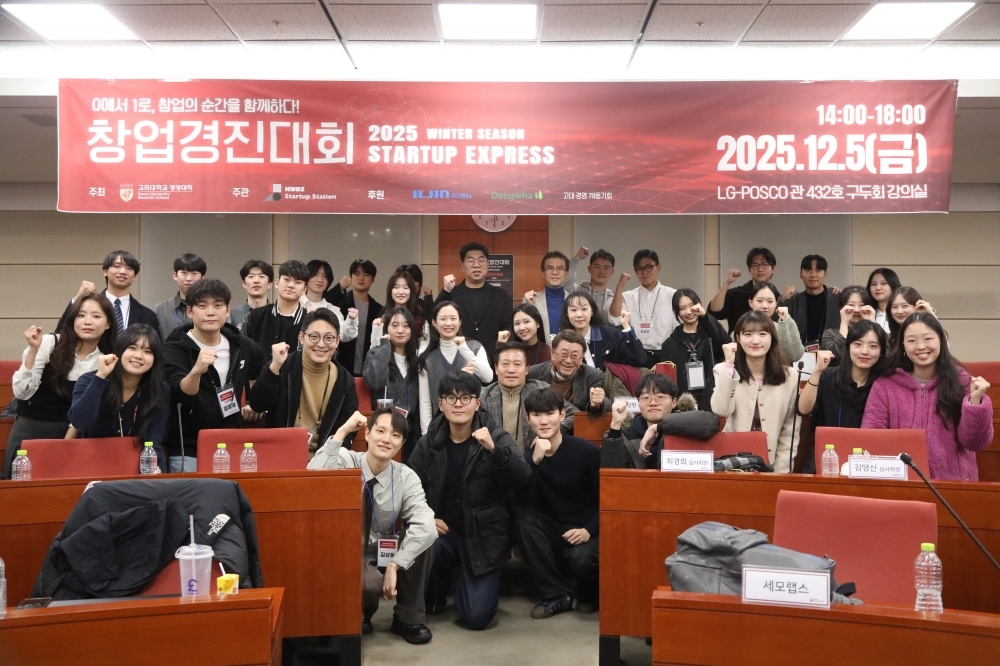
On Friday, December 5, the 2025 Startup Express Winter Season, hosted by KUBS Startup Station, was held in Room 432 of the LG-POSCO Hall at Korea University Business School. Startup Express is an entrepreneurship support program designed for prospective and early-stage startup teams. The program provides participants with opportunities to review and refine their business ideas, while outstanding teams are selected to receive access to KUBS Startup Station’s co-working space. Participating teams were evaluated on overall business viability, market potential, and execution strategies through business pitch presentations and Q&A sessions with the judging panel.
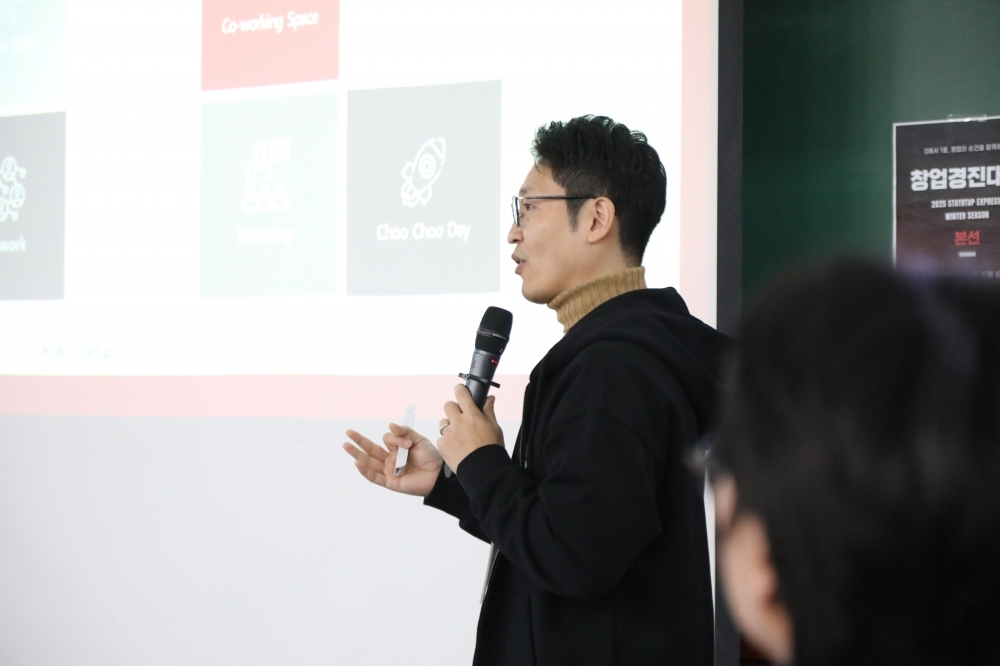
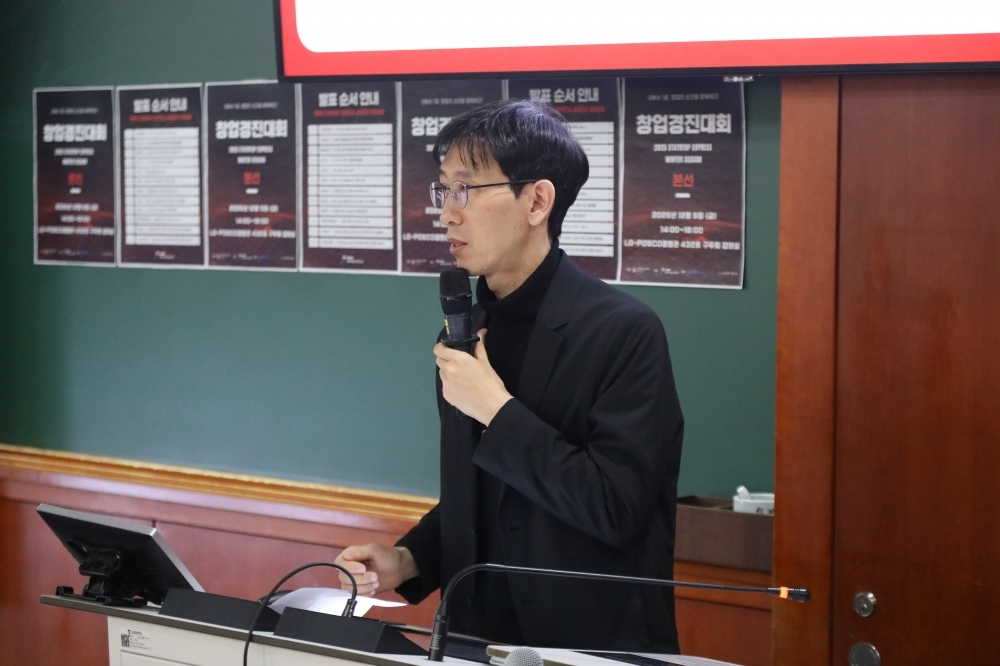
The event began with opening remarks by Jinkyu Park, Director of KUBS Startup Station. Director Park explained, “After moving into the co-working space in January, selected teams will spend approximately six months refining their businesses through internal support from the institute, as well as mentoring programs in collaboration with external organizations.” He added that the institute also offers both online and offline educational programs for early-stage founders through its practical entrepreneurship training initiative, Startup Essentials. He further noted that KUBS Startup Station is approaching its 10th anniversary and shared that several commemorative programs are currently in preparation.
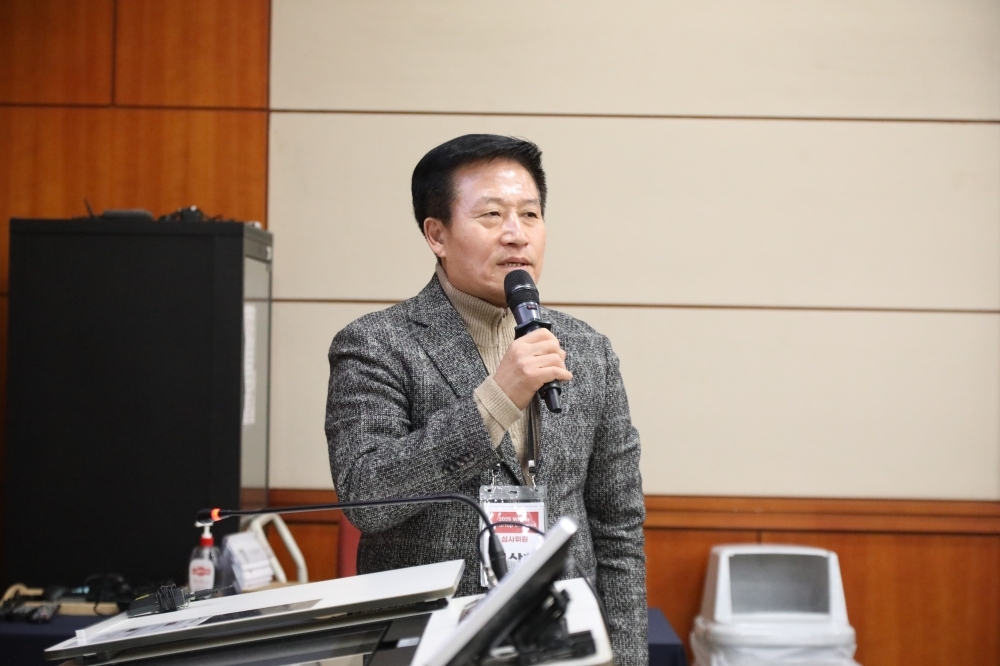
Lee Sang-hyun, Chairman of the Class of ’79 Alumni Association of Korea University Business School, also attended the event. He expressed his support for the participating teams, stating, “I hope the creative ideas presented today will become a driving force for Korea’s industries and future, and serve as a foundation for their growth into unicorn companies.”
The judging panel consisted of experts from diverse fields, including industry, media, investment, and startups. The panel included △Jun-hyun Hwang, Service Platform Planning Team Leader at Dongwha Enterprise △Young-shin Kim, Head of the Culture & Business Division at The Korea Times △Hyun-soo Kim, Director of Strategic Investment at Iljin Global △Kyung-hee Choi, CEO of Sopoong Connect △Seung-rin Jang, Director at Sniff △Daniel M. Shin, Managing Partner at KingsBay Capital. Yoon-joo Lee, Chief Purchasing Officer of Iljin Global, also attended the event.
A total of 12 teams participated in this Winter Season. The participating teams included △Machine Republic (AI platform for industrial machinery trading) △Lococo (K-beauty global retail platform) △Playmap (AI-powered seeding marketing automation service) △GFTB (AI-based emoji personality profiling) △Achiba (social networking service for sharing personal achievements) △Hintepe (mobile craft workshop powered by AI tutoring) △Semo Labs (solution for analyzing conversion challenges in direct-to-consumer platforms) △Peering (AI-based platform for improving administrative processes in special education) △Joan & An (AI travel guide solution) △Daily Compound (AI-powered self-tour guide) △adifyly (sports talent management platform) △Snapscale (vertical LLM-based automation solution for chemical engineering design).
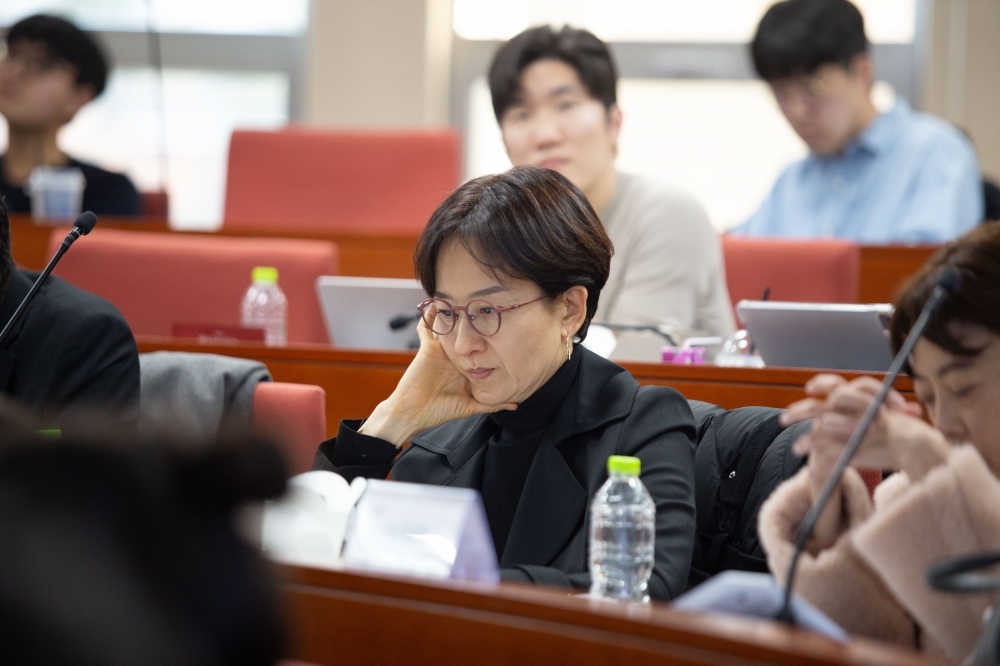
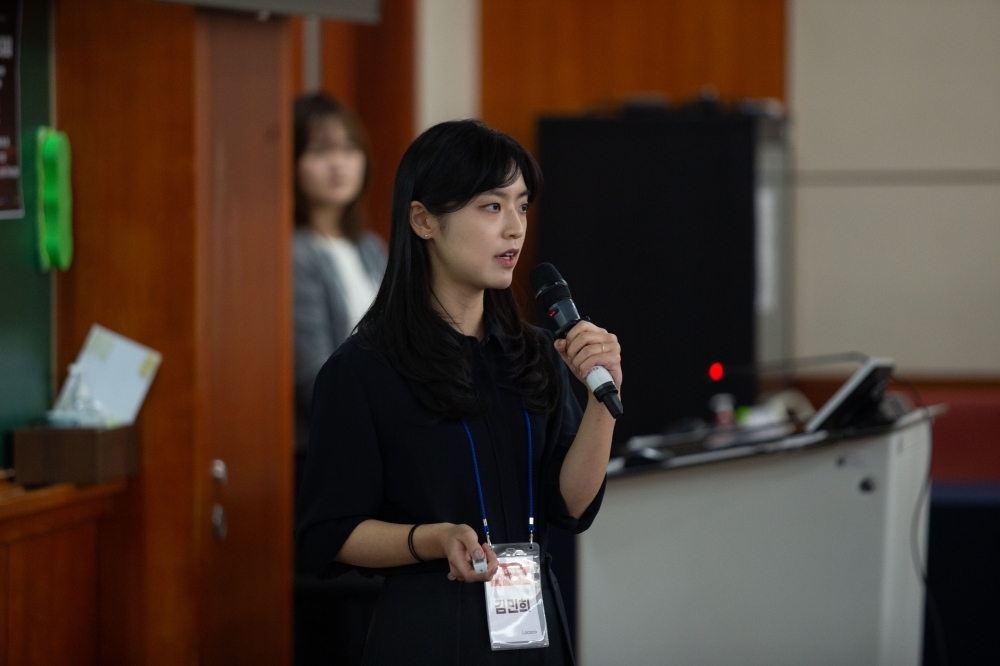
During the presentations and evaluation process, the most frequently raised question focused on market entry strategies.
Machine Republic, which proposed an AI platform for industrial machinery trading, introduced a business model designed to address information asymmetry and inefficiencies in the industrial machinery transaction process through the use of AI. The judging panel asked whether the team had developed strategies that take into account manufacturer-centric licensing structures and high-cost distribution practices. The team responded that these factors would be further addressed and refined in the next stages of business development. Lococo, which operates a K-beauty global retail platform, presented a business model focused on distributing Korean cosmetic brands through both offline stores and online channels, with Madrid, Spain, serving as its initial base. The judges questioned the rationale behind selecting a highly competitive city as the company’s first market and the appropriateness of its pricing strategy. In response, the team explained that Madrid offers strong potential for securing price competitiveness, particularly within the mid- to low-priced product segments.
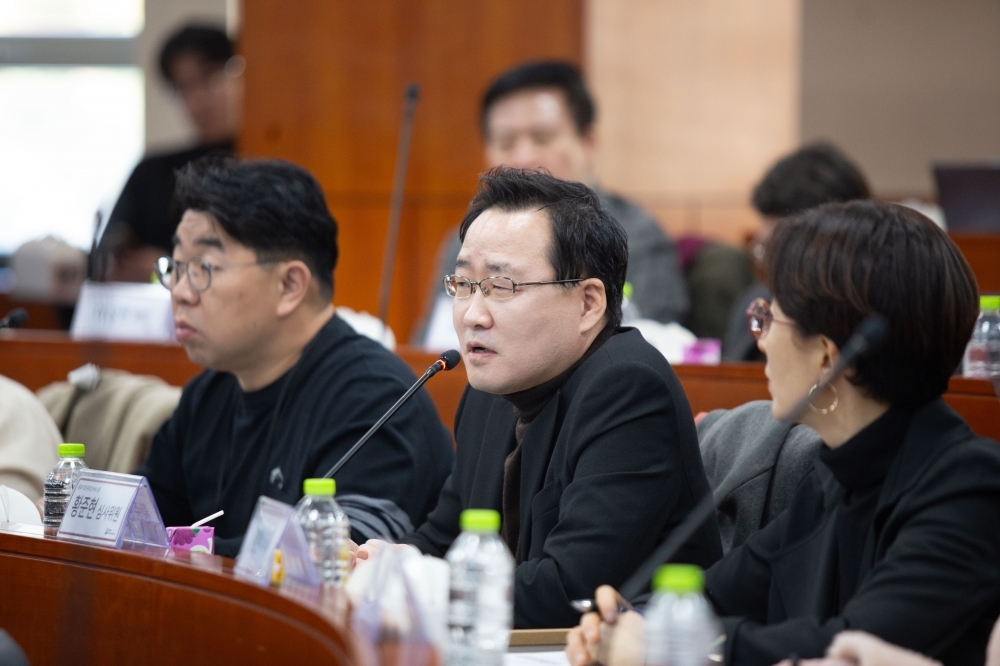
Questions about differentiation were repeatedly raised across multiple presentations.
GFTB proposed a model that analyzes conversational data to visualize individual personality types in the form of emojis, with plans to expand the service into both consumer-facing applications and enterprise-focused data services. The judging panel noted that a clearer explanation was needed regarding how the service differentiates itself from existing personality tests or survey-based offerings. Semo Labs, which presented a solution for analyzing conversion rates in direct-to-consumer online platforms, faced similar questions regarding differentiation. While the team emphasized its ability to analyze shopping mall structures and conversion issues through a single link without unnecessary processes, the judges commented that more concrete use cases demonstrating advantages over competing services would be needed.
Questions regarding revenue models and scalability were also raised throughout the presentations.
Playmap introduced a service that automates influencer seeding marketing processes using AI, highlighting its core value in enabling brands to outsource seeding experiments. The judging panel asked whether the business places greater emphasis on revenue generation or data acquisition. In response, the team explained that it targets globally oriented brands and that its primary value lies not in immediate revenue, but in establishing a scalable structure through which seeding experiments can be outsourced. Hintepe presented a mobile bead craft workshop model that can operate in spaces such as cafés. The model is structured around a combination of tutors and kits, allowing users to enjoy simple craft experiences on-site. The judges pointed out the relatively low average transaction value in the craft sector and advised the team to consider ways to strengthen profitability. The team added that it is exploring opportunities to expand into online products using rare materials.
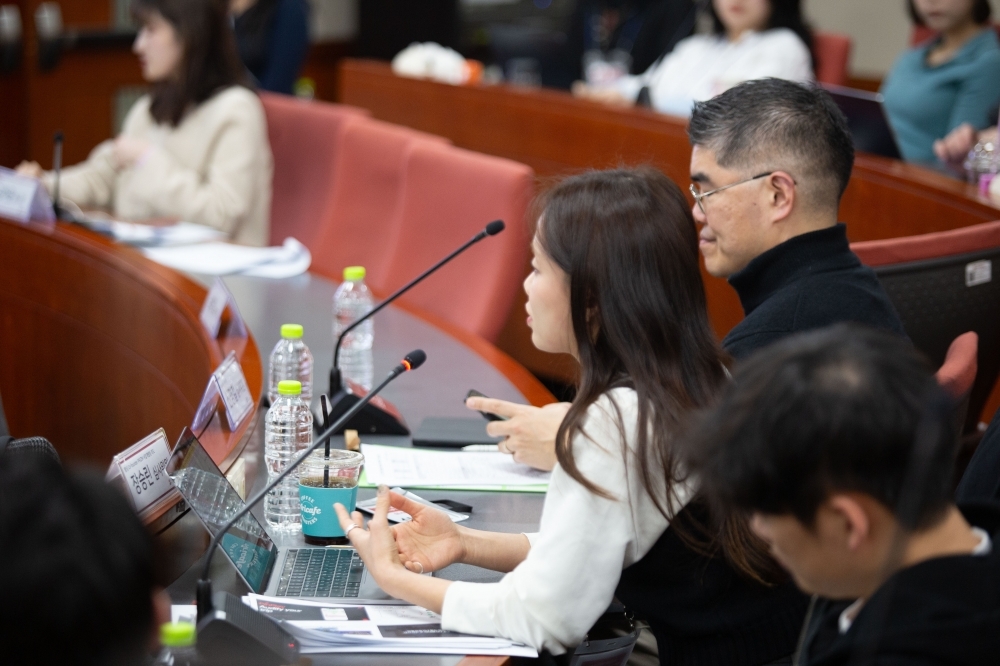
For teams addressing public-sector and specialized domains, the practicality of execution at the implementation stage served as a key evaluation criterion.
Peering proposed a platform that integrates administrative tasks for special education teachers. The platform aims to consolidate administrative functions currently dispersed across the National Education Information System (NEIS) into a single interface. The judging panel noted that, in addition to a clear strategy for entering the public sector market, securing professionals with a deep understanding of actual administrative workflows would be critical to the platform’s success. adifyly, a sports talent management platform, introduced a management system based on athletes’ game records and training data. The judges requested more detailed explanations regarding the methods for data input and the procedures for verifying data reliability.
The presentation of the two teams addressing field of travel is followed.
Joan&An proposed an AI-based personalized travel guide solution that delivers customized tourism information to users, while Daily Compound introduced a self-tour platform based on user preference data. The judges noted the high level of competition in the travel platform market and advised that service usability and operational stability would be critical in the long term. Among the technology-driven ideas, Snapscale drew particular attention. Snapscale introduced a solution that automates P&ID design for chemical plants, presenting its technical core as a structure that uses large language models to assemble design elements in modular units. The judges focused their questions on industrial applicability and technical maturity.
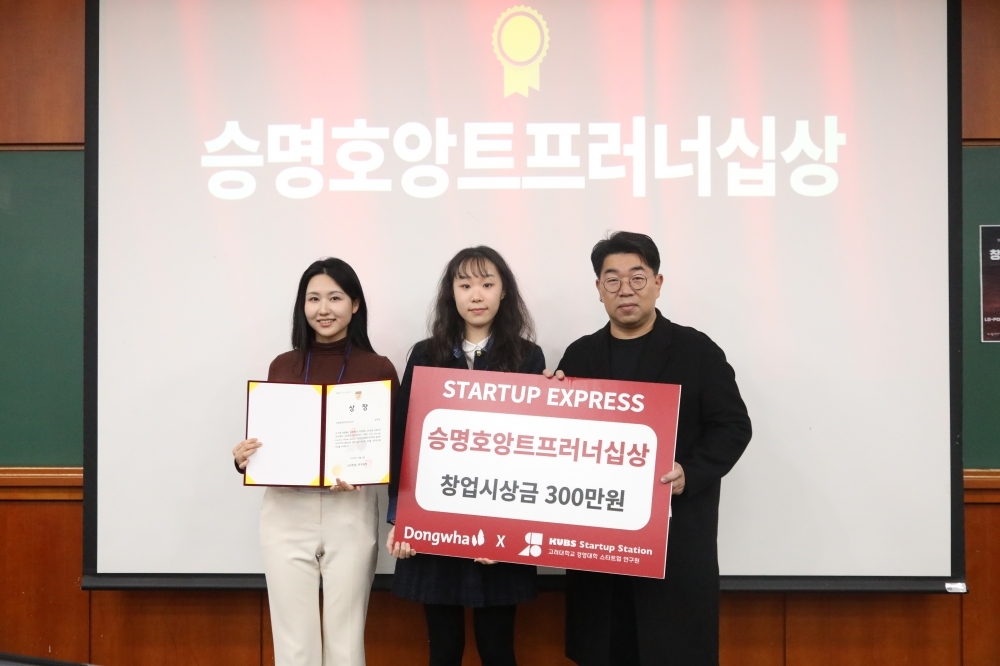
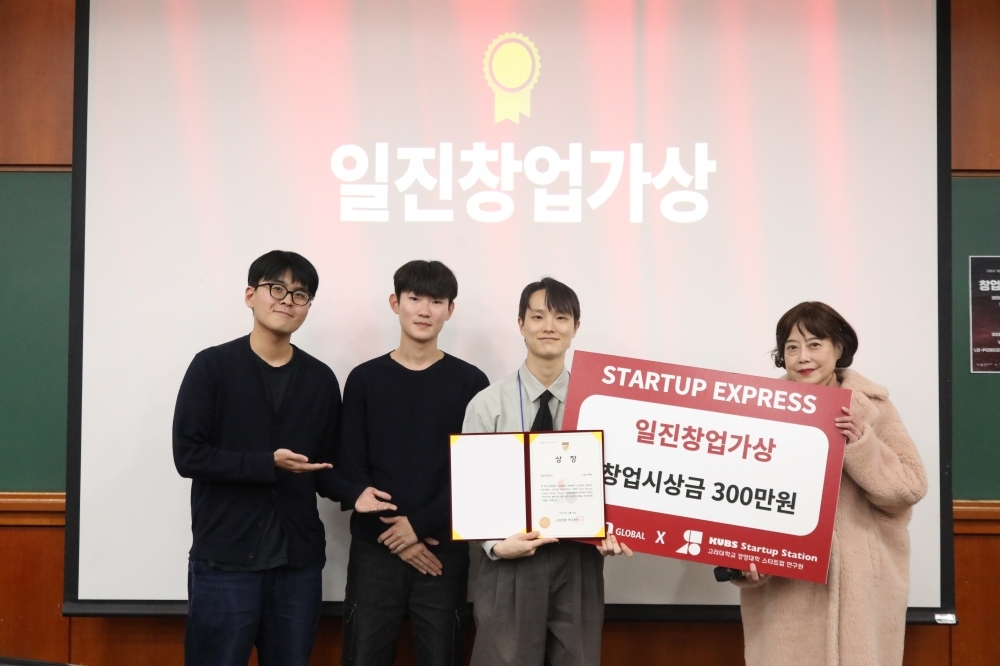
Concluding with Snapscale’s presentation, this Startup Express Winter Season served as a venue where teams pursuing initiatives across diverse areas such as education, distribution, and the public sector could collectively examine their strategic directions. During the awards ceremony that followed, Daily Compound, Playmap, and Joan&An received the Korea University Business School Class of ’79 Alumni Award, Snapscale received both the Choo-Choo Entrepreneur Award and the Iljin Entrepreneur Award, and Peering received the Seung Myung-ho Entrepreneurship Award.
Following their presentations, startup teams used the Q&A sessions with judges to identify areas for improvement in their business ideas. Throughout the process, detailed questions were raised regarding each team’s market assumptions and execution strategies, enabling participants to more clearly identify the tasks they need to address in the next stage. Startup Express has been operated annually as a platform where new startup teams can validate their ideas, and this year once again brought together teams from a wide range of fields to assess business feasibility. Just as this stage—seemingly a small starting point—has produced new startup teams year after year, this year’s 12 teams are also expected to move onto their own growth trajectories at their own pace. As it approaches its 10th anniversary, KUBS Startup Station will continue to serve as a companion on this journey, sustaining experiments and initiatives that support the tangible growth of early-stage entrepreneurs.